
Mentorship That Matters: Growing Your People, Growing Your Practice
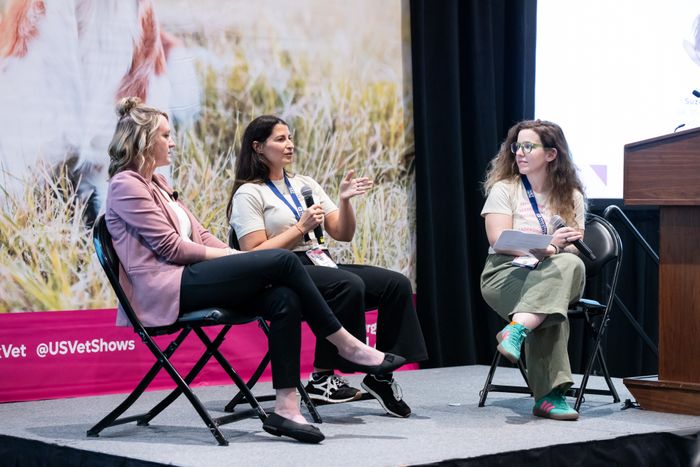
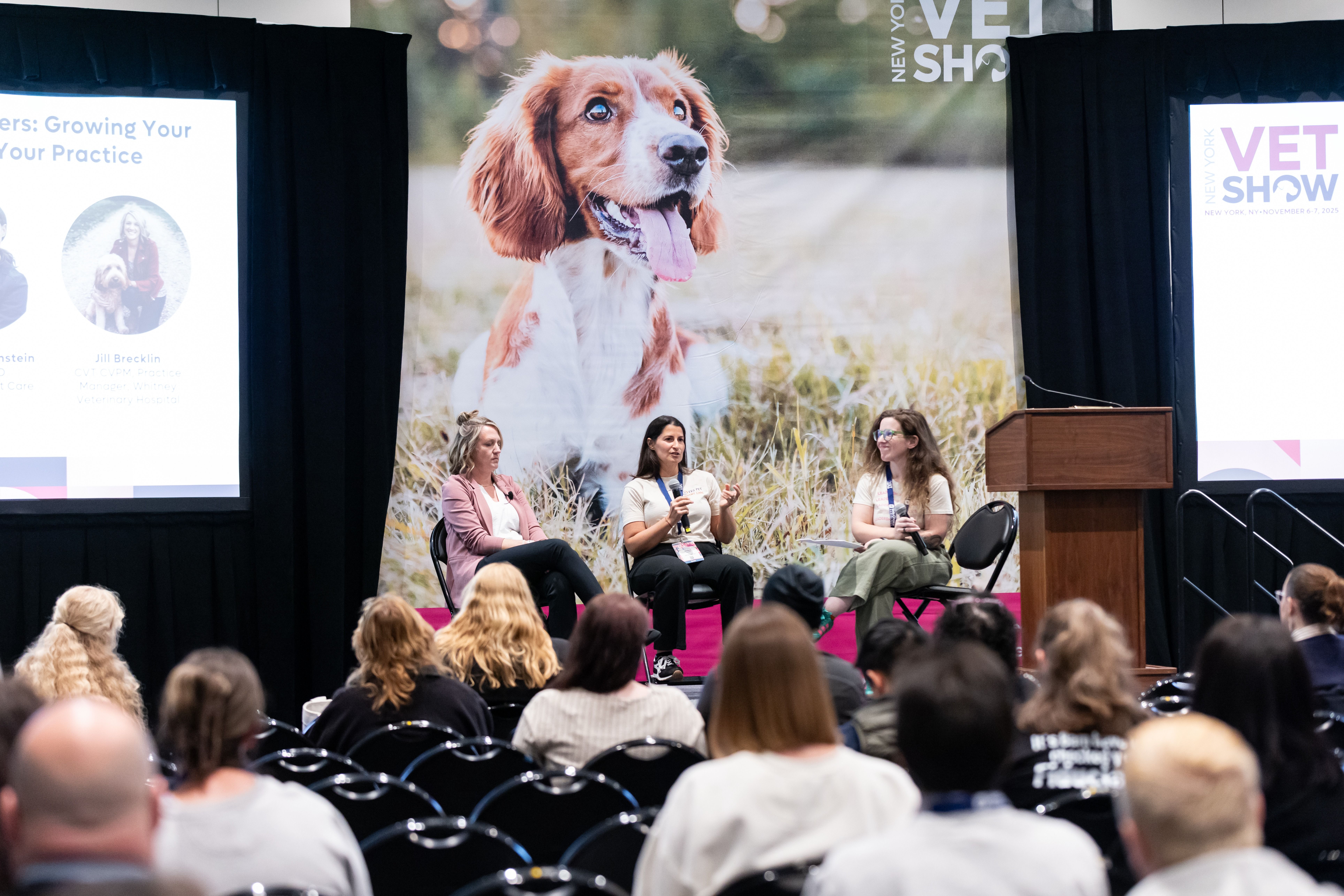
At New York Vet 2025, one of the most resonant conversations was about people. In Mentorship That Matters: Growing Your People, Growing Your Practice, moderator Suzanne Thomas (Founder & CEO, Leading Veterinary Teams) joined Dr. Jordana Eisenstein (Founder & CEO, EVS Pet Urgent Care) and Jill Brecklin (Practice Manager, Whitney Veterinary Hospital) to explore how mentorship has evolved - and why it’s now essential to practice success.
From Training to True Mentorship
The panel challenged the idea that mentorship is simply about skills checklists or onboarding tasks. While technical training is necessary, real mentorship builds confidence, judgment, and purpose. That starts with listening.
As Brecklin put it, “I want to know what you know, what you’re scared of, and what I can help support you through - either by teaching or just being there.”
Understanding how team members learn, communicate, and experience stress allows leaders to support growth in a way that’s both professional and human. As Eisenstein noted, the “check your life at the door” mentality of decades past no longer fits a profession facing burnout, staffing shortages, and emotional fatigue.
Communication Is the Core Skill
Across the discussion, one theme surfaced repeatedly: communication. Many team conflicts, Brecklin explained, stem not from poor intent, but from mismatched communication styles. A direct communicator can easily be perceived as abrasive by someone who needs reassurance or context.
As Thomas summarized, effective mentorship becomes translation - helping teams understand how different personalities operate and how to interpret tone without taking offense. When leaders intervene early and frame these differences constructively, they don’t just prevent turnover - they create stronger collaborators.
Mentorship as a Retention Strategy
Retention is one of the most expensive challenges in veterinary practice, and mentorship plays a critical role in keeping people engaged. Eisenstein shared how simple miscommunications - unchecked - can push valued employees toward the door.
By creating clear expectations around feedback, normalizing check-ins, and teaching teams how to communicate, practices can retain great people who might otherwise leave over avoidable misunderstandings.
Making Mentorship Work in Busy Clinics
Formal mentorship programs can feel unrealistic in fast-paced environments, but the panel emphasized that mentorship doesn’t have to be another item on the to-do list. Often, it develops organically when leaders model empathy and empower experienced team members to support newer colleagues.
As Eisenstein noted, “There is never going to be time for mentorship. It has to be scheduled.”
Longstanding technicians, receptionists, and doctors frequently become informal mentors - offering reassurance, perspective, and guidance during stressful moments. Recognizing and supporting these individuals helps spread mentorship throughout the practice without overburdening leadership.
The Ripple Effect on Clients and Culture
Mentorship doesn’t stay behind the scenes - it shows up in the exam room. Supported teams communicate better with clients, handle complaints more effectively, and create calmer, more compassionate experiences.
Positive client interactions reinforce staff confidence, creating a feedback loop where engagement, performance, and morale all rise together. Practices known for strong team culture don’t just retain staff - they attract clients.
Developing the Next Generation of Leaders
Finally, the panel urged practices to broaden their definition of leadership. Future leaders don’t all look the same, and mentorship should nurture individual interests - whether that’s inventory management, advanced certifications, or initiatives that strengthen team connection.
When practices invest in people as individuals, not just roles, mentorship becomes a multiplier - growing leaders, strengthening culture, and securing long-term success.
Keep an eye out for more exciting content like this to come in 2026 via the New York Vet Conference Program.